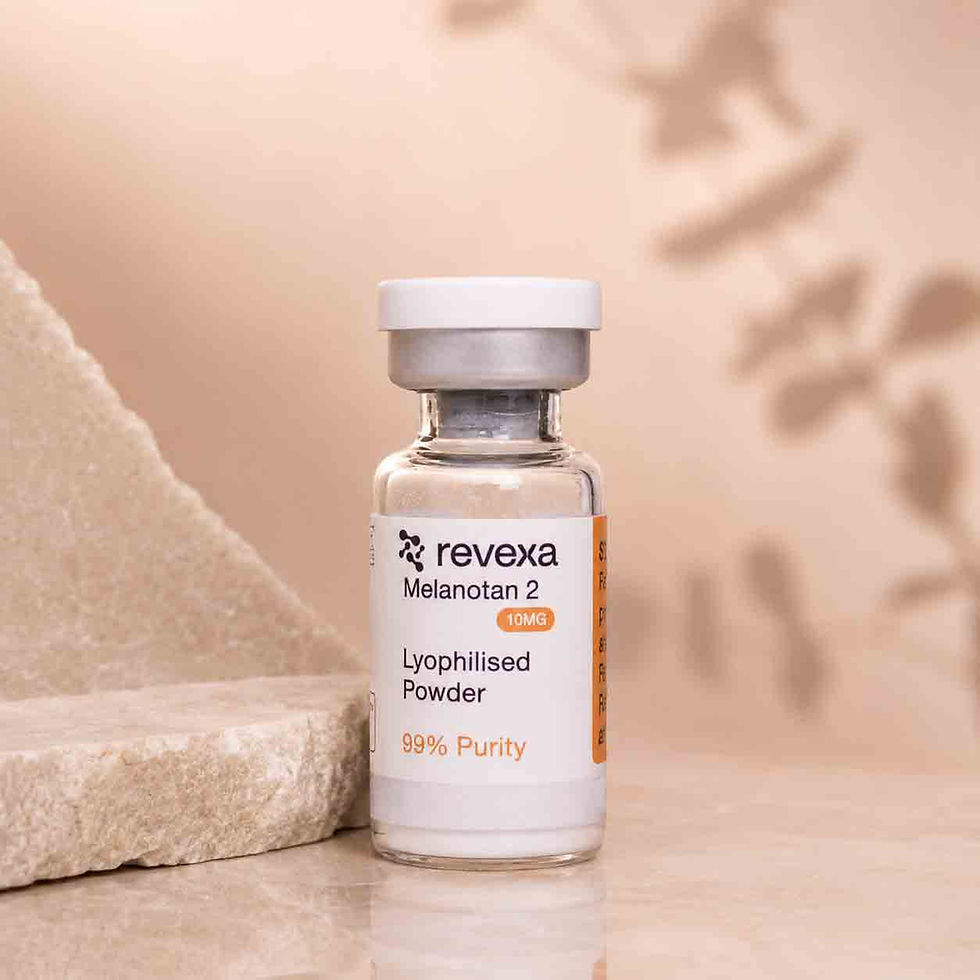
BPC-157 (Body Protection Compound-157) 10mg
£32.00
£25.00
Free Shipping Over £99
BPC-157 (Body Protection Compound-157) is a synthetic, stable pentadecapeptide derived from a sequence found in gastric proteins. It is one of the most widely studied compounds in tissue-repair research, investigated in laboratory models for its role in angiogenesis, connective-tissue signalling and the nitric-oxide pathway.
In the research literature it is often studied alongside TB-500 (thymosin beta-4), the two forming the well-known repair-research pair. Supplied as a lyophilised (freeze-dried) powder for reconstitution in the laboratory.
Related reading: BPC-157 and TB-500 research summary
Supplied strictly for laboratory and research use only. Not for human or veterinary consumption, medical use, or diagnostic purposes.
Sequence: H-GEPPPGKPADDAGLV-OH
Quantity
Directions for Use:
Reconstitute with bacteriostatic water under sterile lab conditions. For research use only.
Available Strengths / Volumes:
5mg, 10mg
Format:
Lyophilised powder in sterile vial
Storage Instructions:
Store lyophilised product in a freezer (≤ -18°C). Once reconstituted, refrigerate at 2–8°C.
Disclaimer:
All products are supplied strictly for laboratory research and development purposes only. They are not for human consumption, veterinary use, medical use, or diagnostic purposes.
By purchasing or using these materials, you confirm that you are a qualified professional or organisation familiar with the safe handling of chemical substances, and that these materials will be used in accordance with all applicable laws and regulations.
Products are not medicines, supplements, or food ingredients, and no statements on this website should be interpreted as medical or performance claims.
Please note that we are unable to offer advice, guidance, or recommendations regarding the usage, dosing, or application of any products.
The supplier accepts no liability for misuse, mishandling, or storage outside of controlled laboratory conditions.